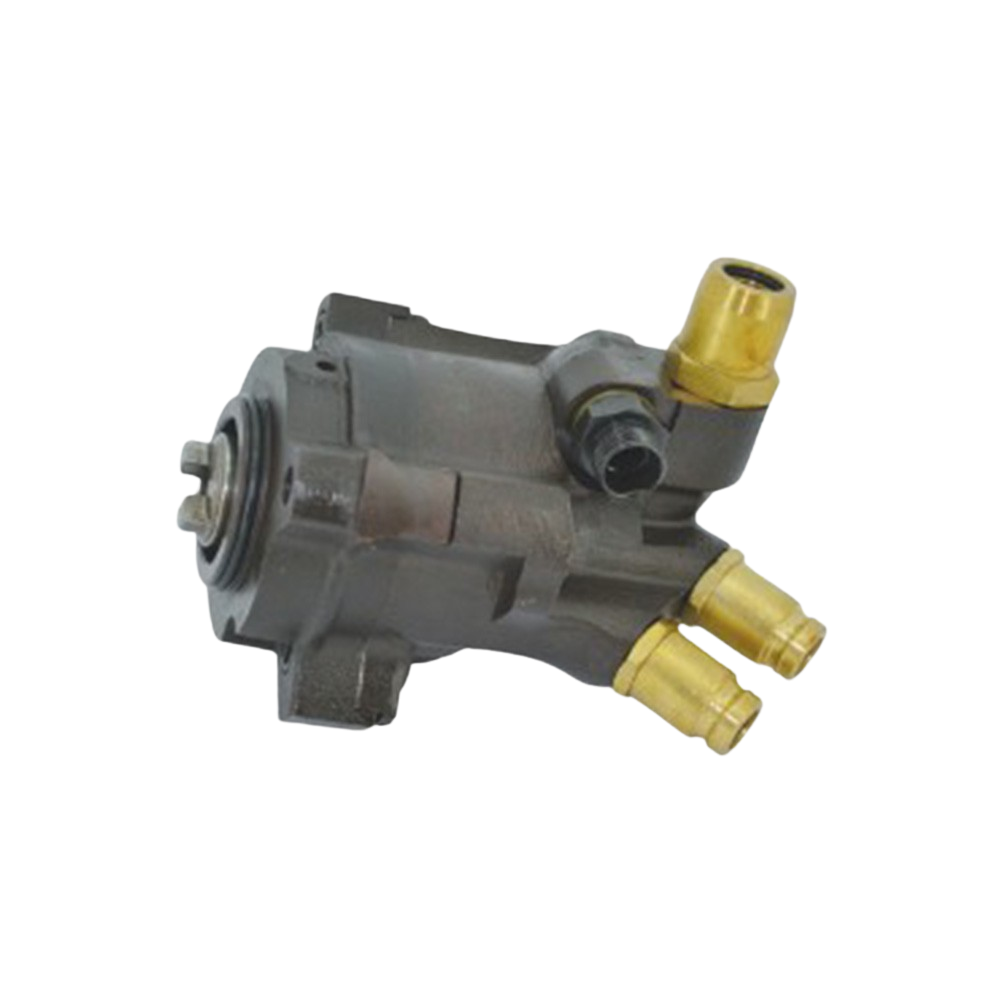
Types and Benefits of Fuel Pumps
Fuel pumps operate either electrically or mechanically. Electric fuel pumps are commonly used in modern vehicles and are controlled by an electronic control unit. In contrast, mechanical fuel pumps are typically found in older vehicles and function through engine movement.
- Reliability: Fuel pumps ensure continuous and dependable engine operation by maintaining the necessary fuel pressure and flow, optimizing overall performance.
- Efficiency: A properly functioning fuel pump delivers the right amount of fuel at the correct pressure, enhancing fuel efficiency.
- Performance: High-performance fuel pumps enable the engine to generate greater power and torque, making them essential for high-performance vehicles.
- Durability: Made from high-quality materials, fuel pumps are designed for longevity and can withstand even the most demanding conditions.
Applications of Fuel Pumps
Fuel pumps are manufactured from high-quality materials, ensuring longevity and durability even in challenging conditions.
- Automobiles: Passenger cars, SUVs, and sports cars.
- Heavy-Duty Vehicles: Trucks, buses, and lorries.
- Marine Vehicles: Boat and yacht engines.
- Agricultural & Construction Machinery: Tractors, harvesters, and other farming equipment, as well as construction machinery.