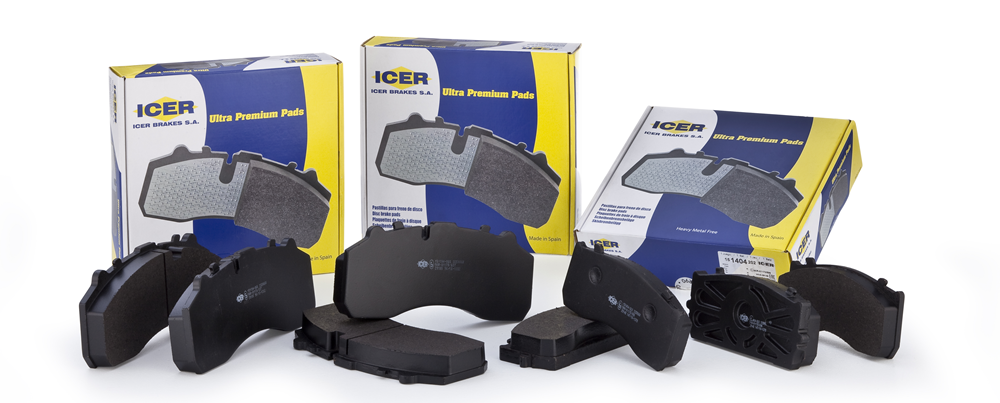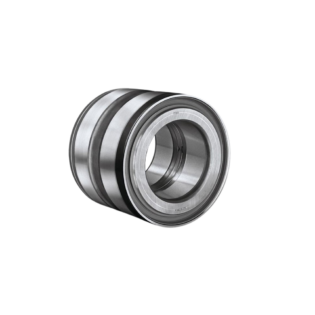
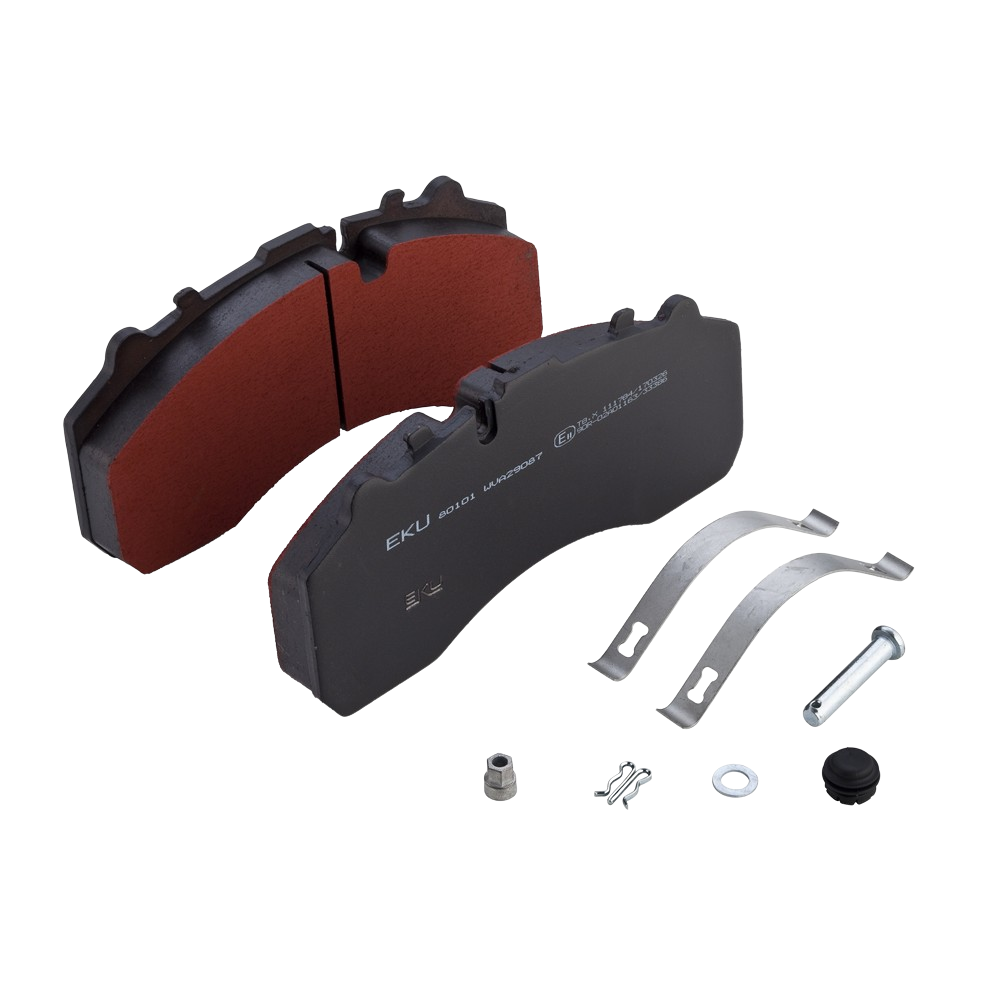
Disc brake pads must represent an optimum friction partner for brake discs and meet the highest braking demands, even in dusty or wet environments. They are among the parts most exposed to wear. Only high-quality materials made of metals, fibers, fillers, lubricants and organic compounds are used in production. The properties of the EKU disc brake pads are perfectly coordinated with those of the brake discs of the same brand. This ensures the best possible combination of friction. EKUs disc brake pads have been tested for performance and wear quality according to ECE-R90 standards and have completed the procedure with the best results.
Disc brake pads should always be replaced at the same time, axle by axle. When replacing the brake discs, the disc brake pads must also be replaced. After the installation of new brake components, a certain break-in period is necessary before the full braking effect is achieved.

Disk Pad Structure
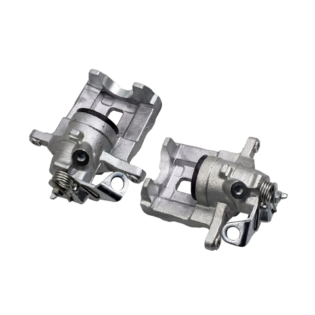
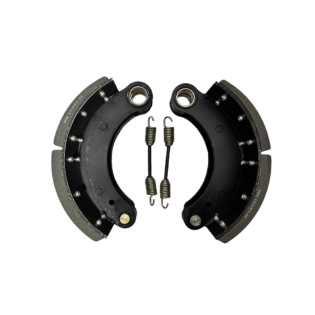
It works by compressing a brake disc attached to the wheel on both sides between two linings placed in the saddle. In disc brake systems, a piston is used to press the friction material (lining) against the rotating brake disc from both sides. The rotation of the wheels slows down and the vehicle stops due to the friction between the wheels and the road surface. Disc linings (pads) do not have self-reinforcing properties like drum shoes. Therefore, a higher pressure needs to be applied to the disc pads than to the drum shoes.
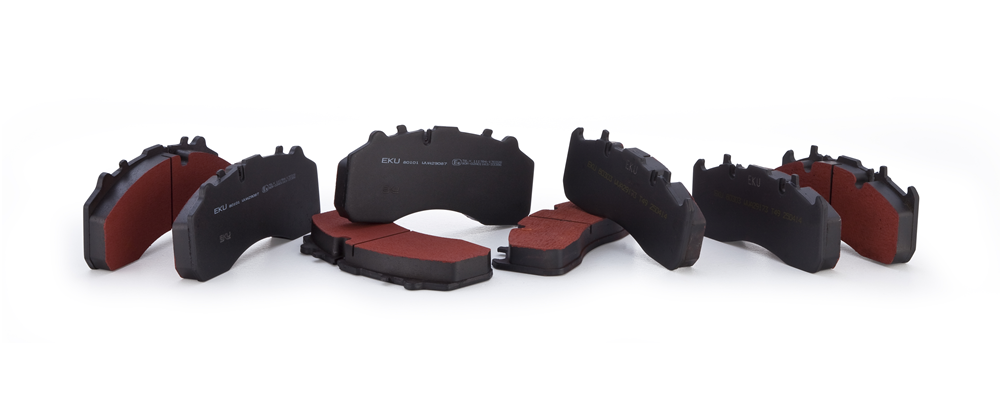
What are the Main Components of a Disc Pad?
The main components of the Disc Pad are:
- Brake Surface: Made of wear-resistant materials and in contact with the disc.
- Bottom Surface: The metal structure holds the brake material in place.
- Fittings: Holds the brake material correctly.
- Grip Surface: Specially treated surfaces to optimize brake power.
- Cooling Elements: Dissipates heat and prevents overheating.
These components work together to ensure the disc pad provides safe and efficient braking.