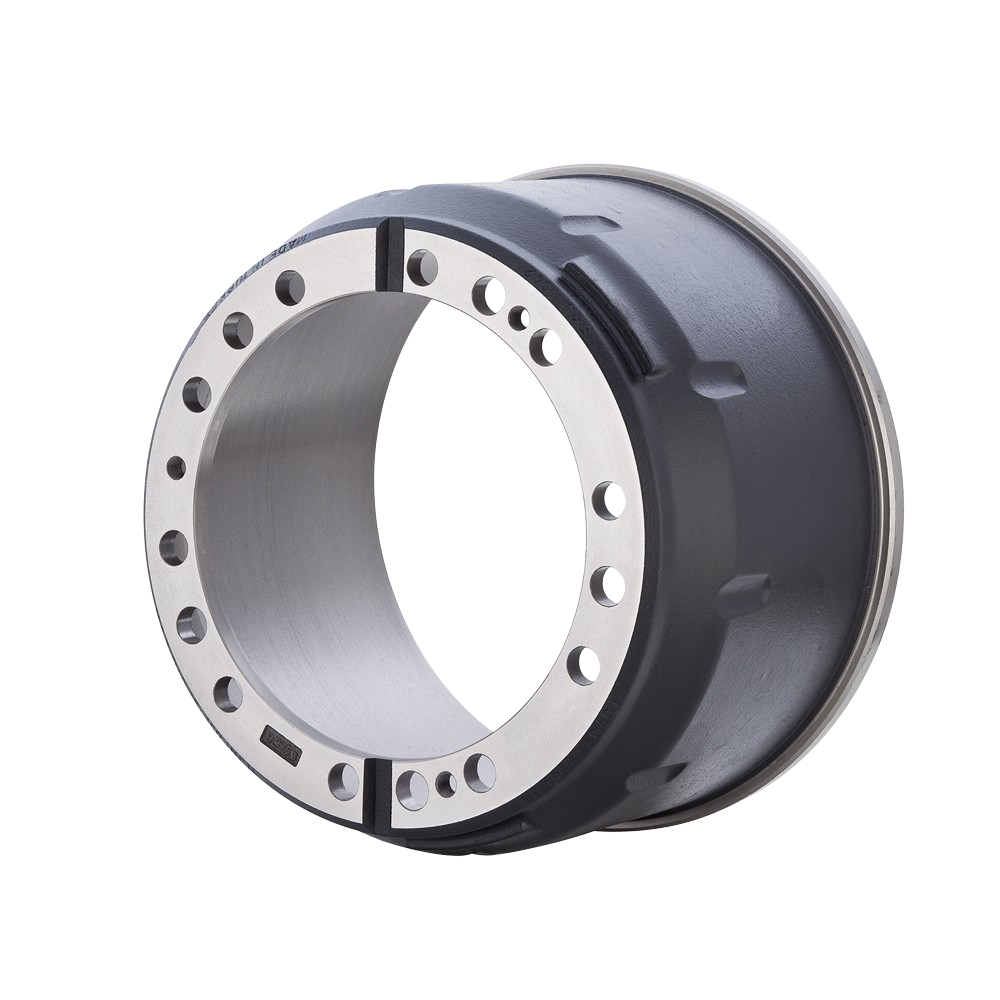
Brake Drum Structure
Drum brakes are a braking system commonly used in wheel brakes. Basically, the structure of drum brakes consists of the drum, shoes, pressure train and carriage.
Drum is a basic element designed to provide durability and thermal properties. The fins running all around its outer surface are used to increase strength, while the open edges prevent thermal expansion. In addition, some drums have a large number of fins parallel to each other in the radial direction to increase air movement and make cooling more effective.
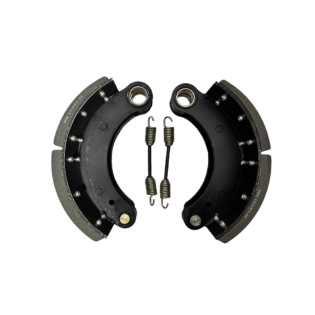
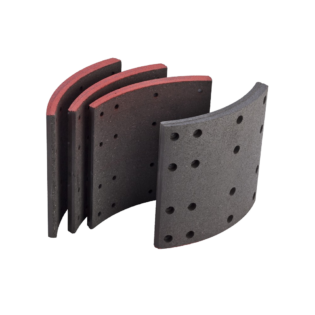
Brake shoes are usually T-profile, which increases the bending stiffness and has a noise-reducing effect. The pad is attached to the shoe by riveting or gluing.
With the combination of these basic components, drum brakes are widely used in road vehicle wheel brakes with internal shoes.
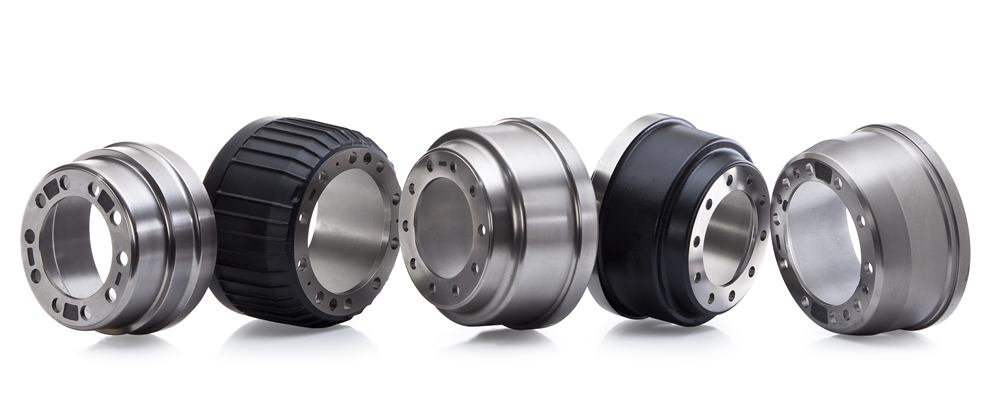
How Does a Brake Drum Work?
Brake drum uses hydraulic pressure to stop the wheels of the vehicle. When braking starts, pistons pushed by the pressure press the wheel shoes against the drum, providing braking. When the brake ends, the pressure drops, the shoes retract and the wheel is released.
In addition, the parking brake supports the vehicle to stop. When the parking brake lever is pulled, the mechanism connected to the drum is engaged and manual braking takes place. When braking is over, the parking brake is released and the vehicle is ready.
The brake drum ensures safe stopping of the vehicle in a simple and effective way.
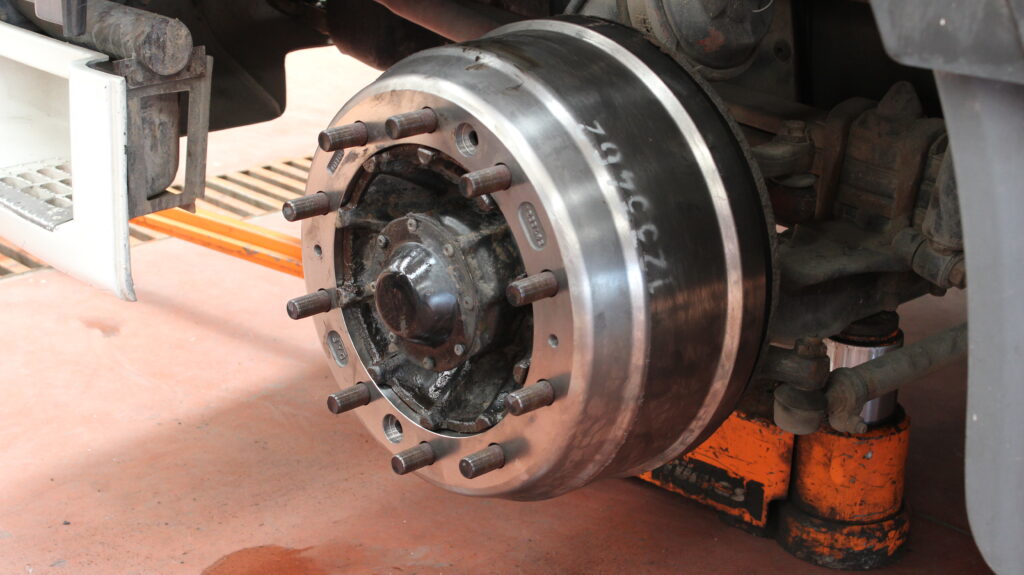
What are the Main Components of Drum Brakes?
The main components of drum brakes are: Drum, shoes, thrust train and carriage. The drum is an operational element designed to provide strength and thermal properties. The brake shoes are usually T-profile and stop the wheel by pressing on the drum. The pressing device performs braking by pushing the pistons to the drum with hydraulic pressure. The carriage refers to the mechanism that carries the shoes to the drum. These components ensure that drum brakes work effectively.